Last reviewed: November 2026 · Lisa Craven, Managing Director, FridgeSmart
A bottle cooler chills beer and soft drinks at +2 to +10°C on wire shelves, while a wine fridge holds wine at +5 to +18°C on wooden shelves.
That is the difference on the Tefcold datasheets. A bottle cooler suits beer, mixers, white wine and sparkling; a wine fridge is the one that reaches red wine temperatures, and some have two zones. Humidity control, special low-vibration compressors and UV glass are often claimed for wine fridges, but none of them is on a Tefcold datasheet we hold.
- Bottle coolers (DB and BA back-bar ranges): stated range +2 to +10°C, wire shelves, glass doors
- Wine fridges (TFW range): +5 to +18°C, slide-out wooden shelves
- Two zones: the dual-zone TFW300-2F splits +5 to +10°C and +10 to +18°C
- Shelf strength: DB126H wire shelves are rated 196 kg/m²; TFW200-S wooden shelves 35 kg/m²
- Legal definition: a wine storage appliance has “precision temperature control” and “anti-vibration measures”; bottle coolers are labelled as “beverage coolers” under a different regulation
- Running cost at 27p/kWh: TFW200-S about £35 per year; DB126H about £95 per year
For pubs, bars, restaurants, cafés and shops choosing between a bottle fridge and a wine fridge. Every figure comes from the Tefcold datasheet for the model named. For doors, sizes and capacity read our commercial bottle cooler buying guide; for serving temperatures by wine style read the commercial wine chillers guide.
1. What is a bottle cooler?
A bottle cooler is a commercial fridge with a glass door or a sliding lid, made to keep bottles and cans of beer, soft drinks and mixers cold and ready to serve. Bottle fridge, bottle chiller and bottle cooler fridge are other names for the same thing. Most bottle coolers sit under or behind a bar, which is why the trade also calls them back-bar coolers.
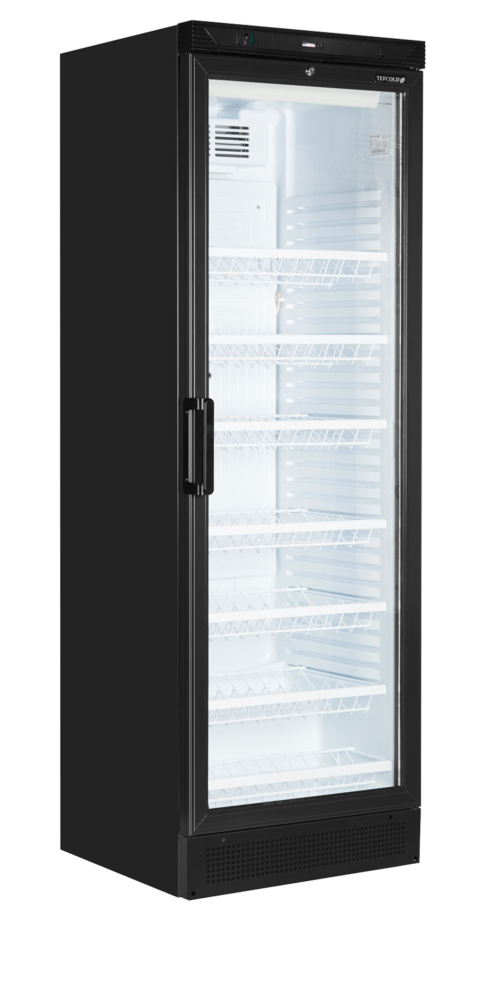
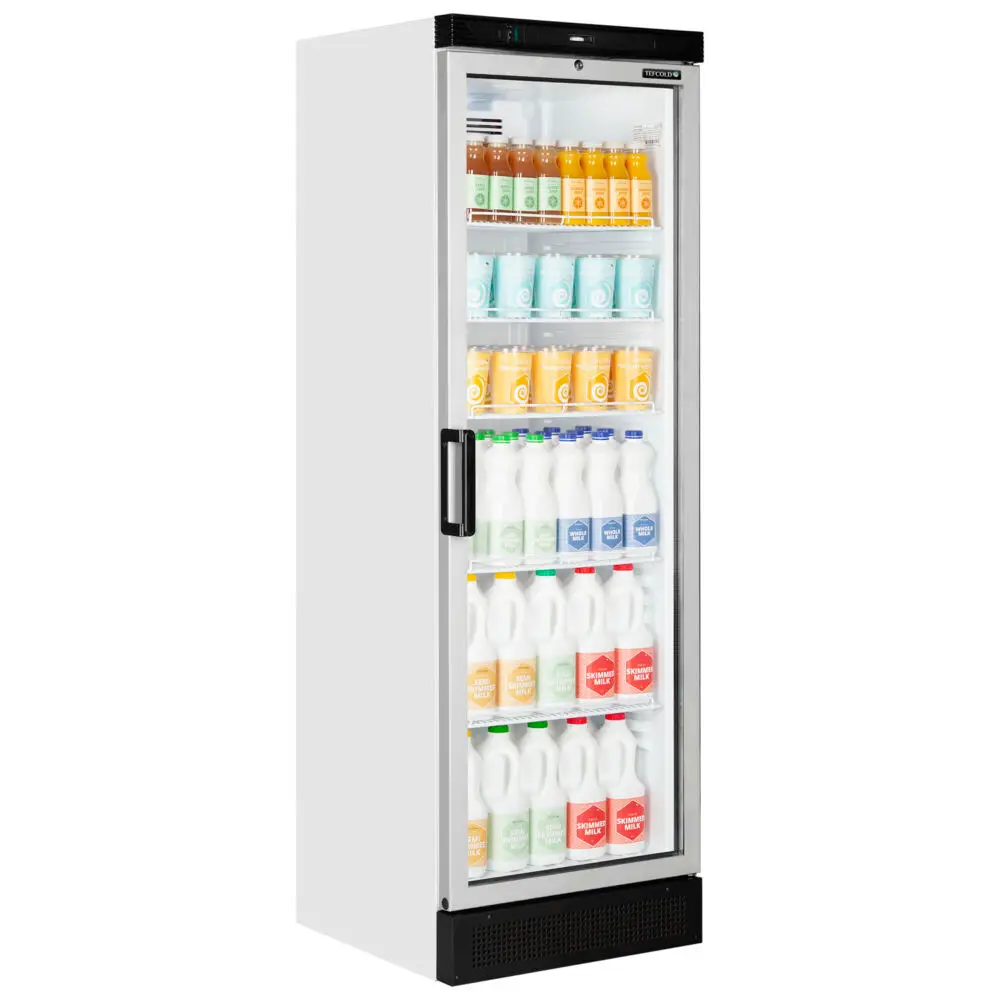
Tefcold’s back-bar bottle coolers state a range of +2 to +10°C. They have wire shelves you can move to suit the bottle height, an interior light and a lock. Their compact size lets them go behind a bar, in a function room or on a shop floor. Three shapes cover most sites.
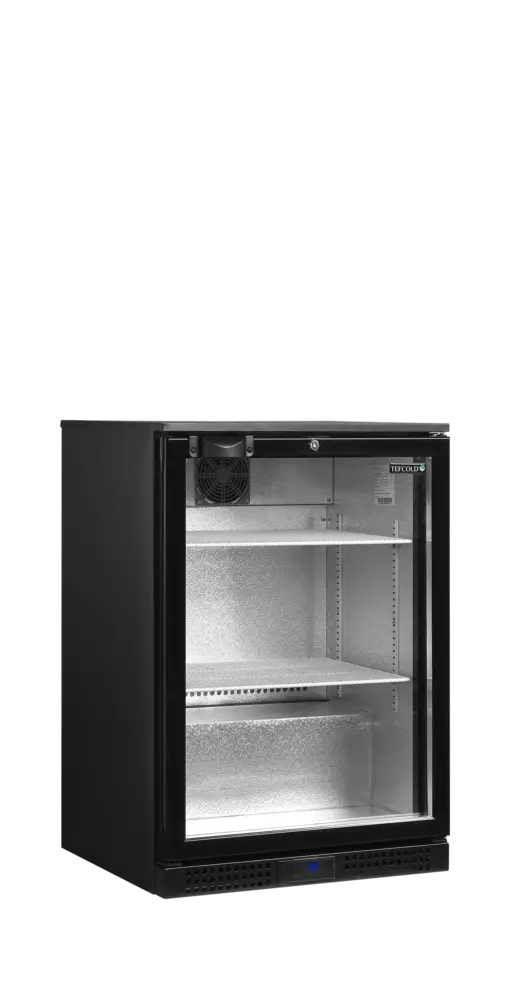
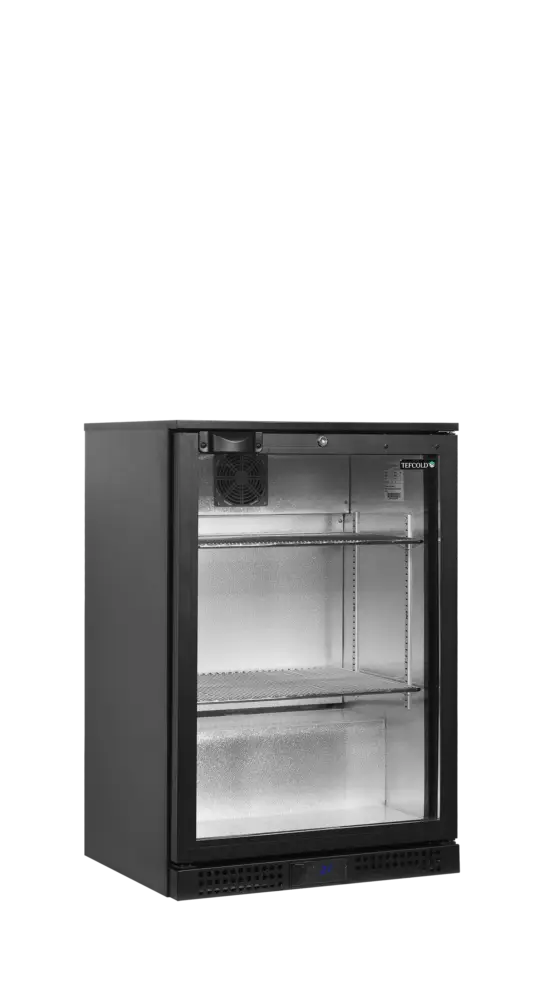
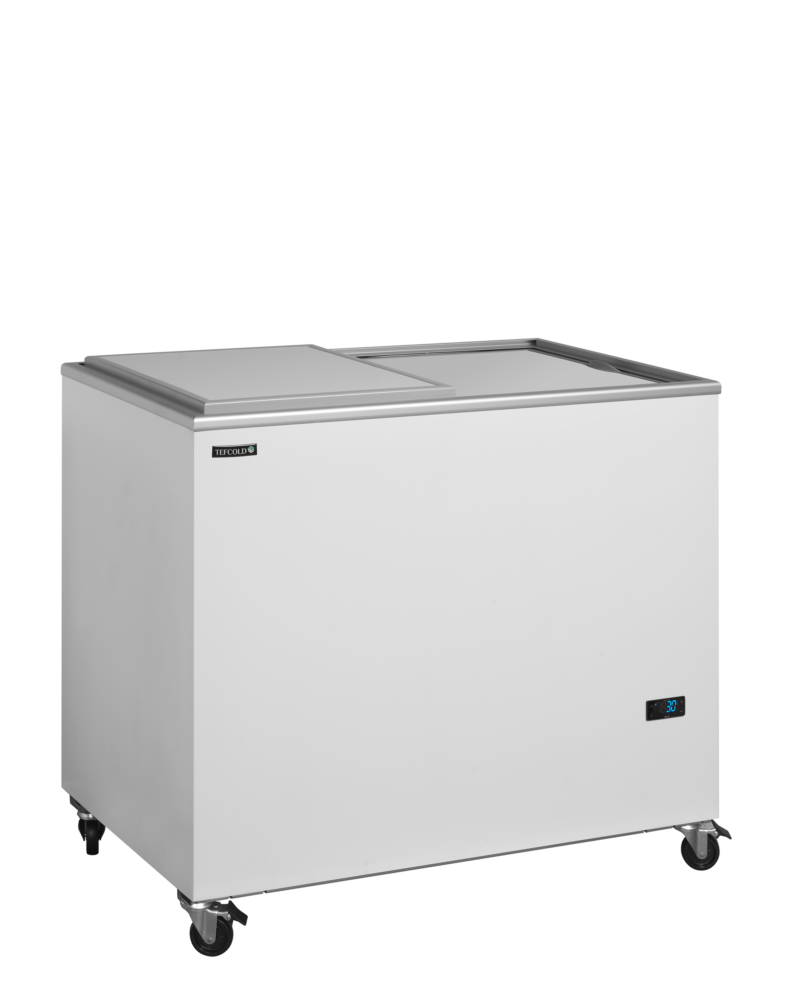
Two-door versions follow the same pattern: the DB201S is a 900 mm back-bar cooler with sliding glass doors. For how many bottle fridges a bar needs and where each one goes, read what are the best commercial fridges for a pub or bar.
2. Bottle coolers vs wine fridges: what’s the difference?
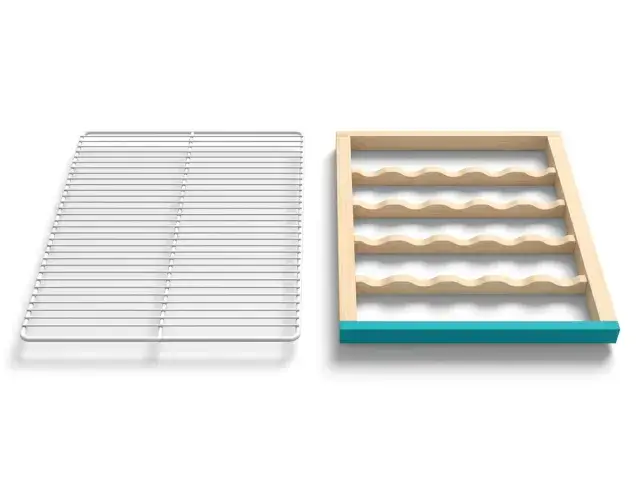
The difference between a bottle cooler and a wine fridge is the temperature range, the shelving, the number of temperature zones and the glass: a bottle cooler runs colder on strong wire shelves, and a wine fridge runs warmer on wooden shelves that hold bottles on their sides. Here is each difference, with the datasheet figure.
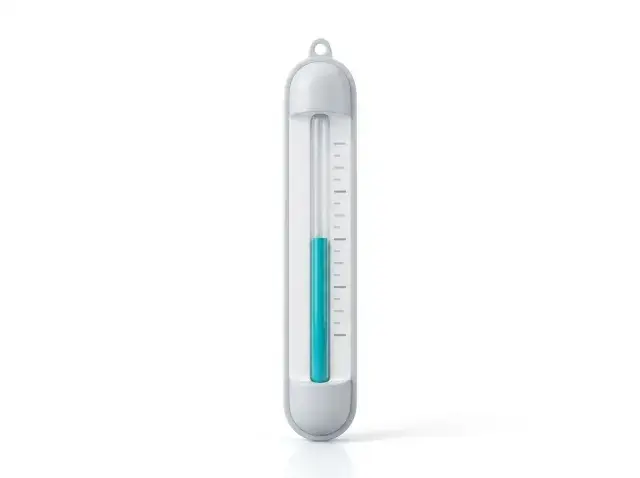
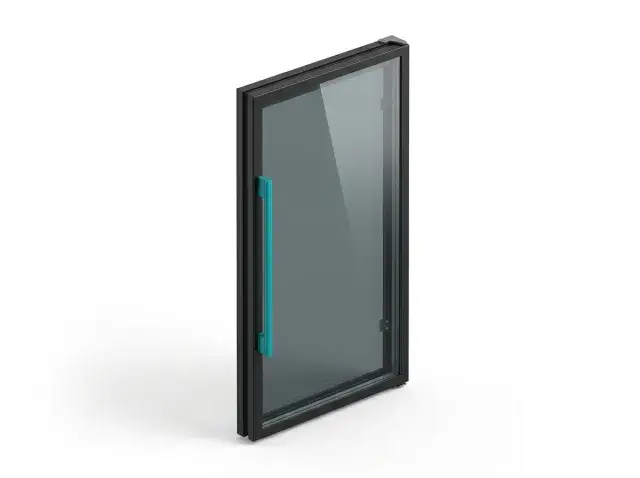
Bottle coolers are often quoted at 0 to 10°C, but Tefcold’s own datasheets say +2 to +10°C, so we use that. What each ceiling lets you serve is the practical point. The Wine Society puts full-bodied reds at no more than 18°C and light reds at 10 to 14°C, while WSET warns that chilling below 6°C can mask flavour.
So a +10°C ceiling suits whites and sparkling, only touches the bottom of the light red band and cannot serve a full red. In the other direction, a wine fridge that starts at +5°C cannot reach the coldest end of a beer list.
Vibration is the difference people ask about most, and the evidence is thin. The legal definition of a wine storage appliance says it is “equipped with anti-vibration measures”, and the TFW spare parts lists include an anti-vibration gasket. Tefcold publishes no vibration figure, and no datasheet mentions a special compressor, so we do not claim one.
Wine fridges are often said to be bigger, with fixed or curved shelves. In this range that is wrong: the TFW200-S is 595 mm wide and 820 mm tall, about the footprint of a 600 mm bottle cooler, and its shelves slide out.
3. What is a wine cooler?
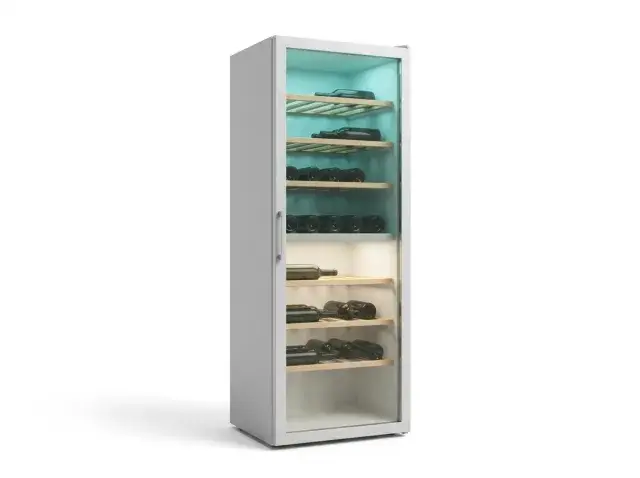
A wine cooler, in this guide, is a wine fridge: a glass door cabinet made to store and show wine at a steady temperature. “Wine cooler” is also the name of a wine-based drink, which is not what this page is about. Wine fridge, wine cooler and wine chiller all mean the appliance here.
The law has its own wording. Regulation (EU) 2019/2016 defines a wine storage appliance as a dedicated appliance for storing wine “with precision temperature control” and “equipped with anti-vibration measures”. Its wine storage compartment has a target temperature of 12°C, a humidity range of 50 to 80% and storage conditions from 5 to 20°C.
What are wine coolers like in practice? In the Tefcold range they come as single-zone cabinets, dual-zone cabinets and one crossover model that behaves like a bottle cooler.
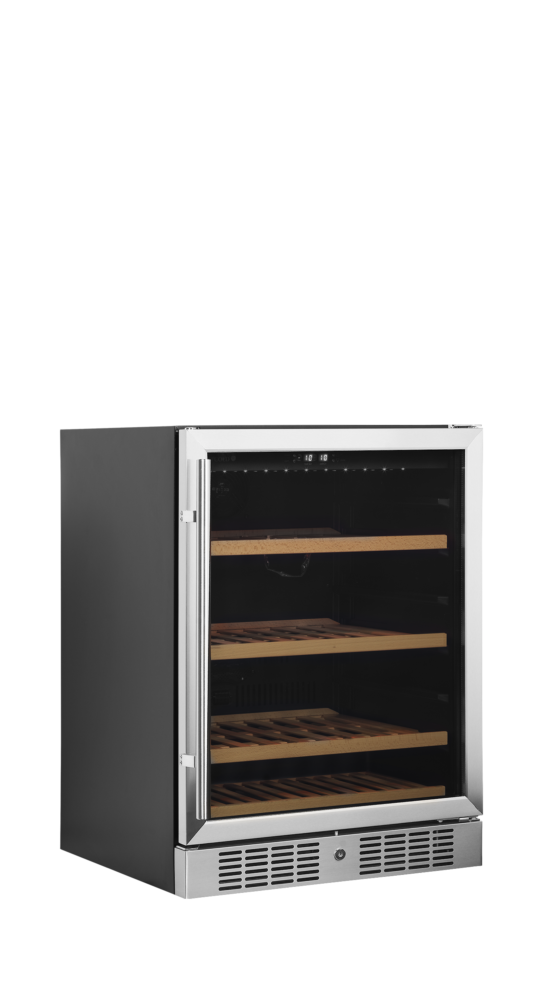
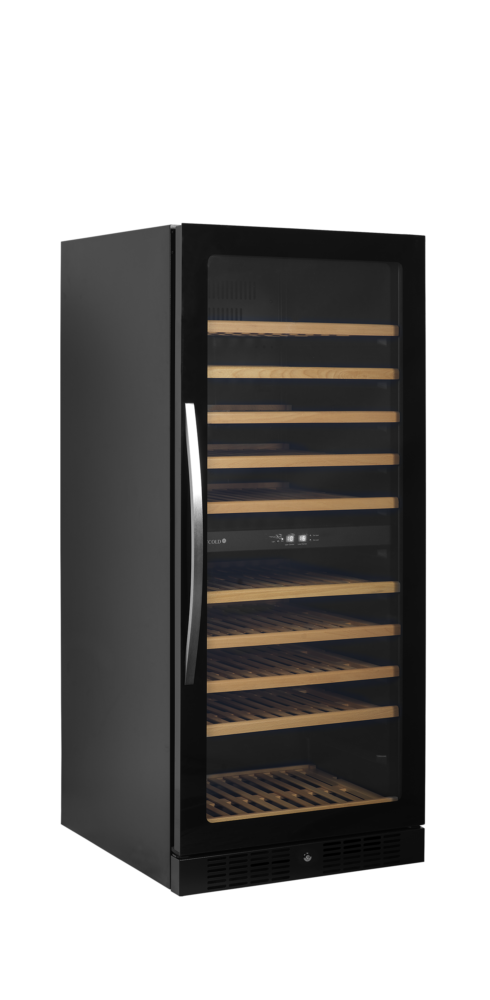
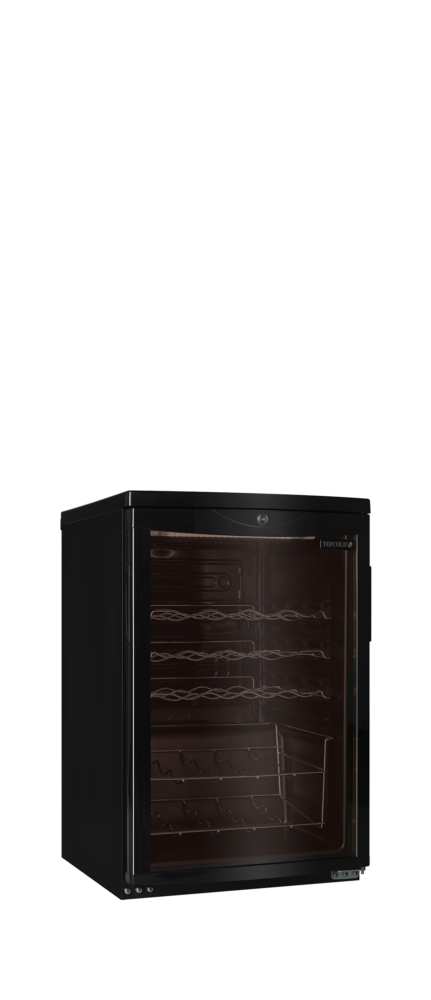
The SC85 BLACK shows why the name on the cabinet is not enough. It holds whites and sparkling at serving temperature, but it cannot hold a red at 14 to 18°C. Read the temperature range before the product title.
4. Do wine fridges control humidity, light and vibration?
Not on the datasheets we hold: no Tefcold wine fridge lists humidity control, UV glass or a special low-vibration compressor. These are the claims most often made for wine fridges, so here is what the evidence shows for each one.
All six cabinets in the table below are fan-assisted or ventilated. Fan cooling recovers faster after the door has been opened, which matters more behind a busy bar than in a wine display. Static cooling exists in the drinks range too, as on the ISC302SD chest in section 1.
5. How do bottle fridges and wine fridges compare on size, running cost and price?
Side by side, a wine fridge takes about the same floor space as a bottle fridge and uses less electricity, but it holds fewer bottles. The table gives the size, capacity and energy use of each model. Prices load live from the store.
| Model | Price (ex VAT) | Range | Shelves | W × D × H mm | Holds | kWh/year | Cost/year |
|---|---|---|---|---|---|---|---|
| £331 | +2 to +10°C | 2 wire, 196 kg/m² | 600 × 545 × 870 | 113 cans, 115 l | 350 | £95 | |
| £421 | +2 to +10°C | Adjustable | 600 × 545 × 900 | 161 cans, 118 l | 350 | £95 | |
| £364 | +2 to +10°C | 4 wire wine shelves | 503 × 567 × 775 | 22 bottles | 387 | £104 | |
| £551 | +5 to +18°C | 4 wooden, 35 kg/m² | 595 × 570 × 820 | 48 bottles | 130 | £35 | |
| £889 | +5 to +10°C and +10 to +18°C | 10 wooden | 595 × 680 × 1,390 | 119 bottles | 150 | £41 | |
| £600 | +2 to +12°C | 6 plus base | 595 × 640 × 1,840 | 78 bottles | 803 | £217 |
Prices ex VAT and loaded live; running costs at an assumed 27p/kWh. Figures are for the exact models shown. The DB126H is being replaced by the DB127H, which has its own datasheet figures.
The running cost sum is kWh a day × 365 × £0.27. The DB126H uses 0.96 kWh a day: 0.96 × 365 = 350 kWh, × £0.27 = £94.50 a year at 27p/kWh. The TFW200-S uses 0.36 kWh a day, 130 kWh a year on its datasheet, which is about £35.
So the wine fridge uses 220 kWh a year less than the bottle cooler beside it (350 less 130), a saving of £59.40 a year. They hold different things, though: 113 cans against 48 bottles. Wine fridges do not always cost more to buy either, so compare the live prices in the table rather than assuming.
Bottle coolers are labelled as “beverage coolers” under Regulation (EU) 2019/2018, which excludes “minibars and wine storage appliances”; those fall under 2019/2016. The scales differ: the TFW200-S carries a G and the DB126H an A, yet the TFW200-S uses less electricity. Compare kWh per year instead.
6. Which commercial drink fridge should you buy?
Buy the commercial drink fridge that matches the drinks on your list: a bottle cooler for beer and soft drinks, a wine fridge once red wine is on the menu. Pick by what you store, then check the space.
-
1
Beer, soft drinks and cans lead: a bottle cooler. The DB126H and BA11H reach +2°C. -
2
Whites and sparkling only: the SC85 BLACK for 22 bottles, or a bottle cooler you already own. -
3
Reds on the list: a TFW wine fridge, because only the +18°C ceiling reaches them. The TFW200-S is the single-zone choice. -
4
Red and white together: the TFW300-2F dual-zone, or two cabinets. -
5
Measure the space. Check width, depth and height against the table in section 5 before you order.
There is a halfway cabinet for a mixed drinks list. The FS1380WB is an upright drinks cooler fitted with wine shelves, and its +2 to +12°C range sits between the two kinds.
For the busy months, see how to keep your drinks cold this summer.
A bottle cooler, also called a bottle fridge or bottle chiller, is a glass door commercial fridge for beer, soft drinks and mixers. A wine cooler here means a wine fridge. The difference is the temperature range, shelving, zones and glass: Tefcold bottle coolers state +2 to +10°C on wire shelves rated 196 kg/m², while TFW wine fridges state +5 to +18°C on slide-out wooden shelves rated 35 kg/m², and the TFW300-2F has two zones. A bottle cooler suits beer, whites and sparkling; only a wine fridge reaches red wine temperatures. Humidity control, special low-vibration compressors and UV glass are not on any Tefcold datasheet, though the TFW spares list a Humid box and an anti-vibration gasket. The two kinds are labelled under different regulations, so compare kWh per year, never energy letters. At 27p/kWh the TFW200-S costs about £35 a year to run and the DB126H about £95.
Frequently Asked Questions
▼
▼
▼
▼
▼
▼
▼
▼