Last reviewed: November 2026 · Lisa Craven, Managing Director, FridgeSmart
The six big benefits of blast chillers are safer food, better quality, consistent dishes, less waste, a smoother kitchen workflow and room to take on bigger orders.
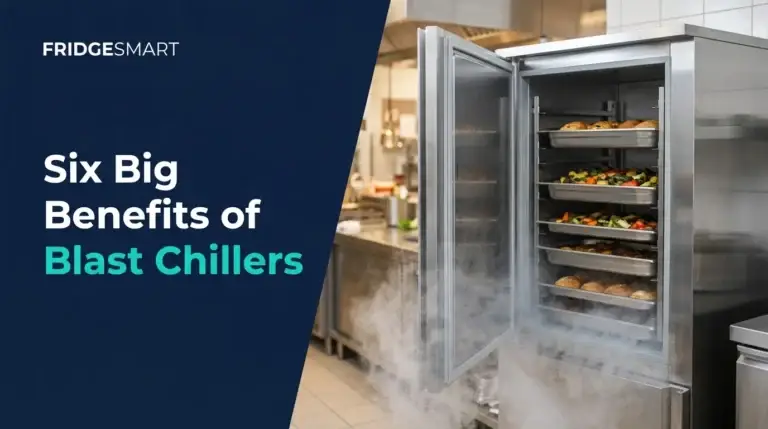
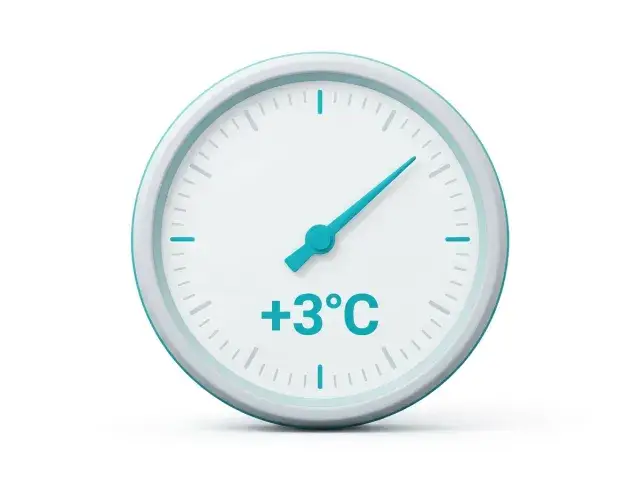
Blast chilling means cooling hot cooked food to fridge temperature quickly in a cabinet built for the job. Tefcold rates the BLCB5X1 to take 18 kg from +70°C to +3°C in 90 minutes. No law makes you buy one: the rule is to cool food “as quickly as possible”.
- What blast chilling is: cooling hot cooked food to fridge temperature quickly, in a separate cabinet, before it goes into a storage fridge
- Machine rating: the TEFCOLD BLCB5X1 takes 18 kg from +70°C to +3°C in 90 minutes (Tefcold product text)
- The law: retained Regulation (EC) 852/2004, Annex II, Chapter IX, para 6: cooked food to be held chilled must be cooled as quickly as possible. No law requires a blast chiller
- 90 minutes: that figure comes from council guidance (Bromley, Blaby), not from statute and not from GOV.UK
- Chill ceiling: chilled food must be held at 8°C or below in England and Wales
- Cycle cost: no more than about 29p for a BLCB5X1 chill cycle at 27p/kWh (our arithmetic from the 720 W rating)
Written for restaurants, caterers, cafés, pubs and takeaways that cook ahead, or are thinking about it.
1. What is blast chilling?
Blast chilling is cooling hot cooked food down to fridge temperature quickly, in a cabinet made for that one job. Some people call it blast cooling. The cabinet is a blast chiller.
It is a step between cooking and storing: food comes off the heat, goes through the blast chiller, then moves to an ordinary fridge.
Blast chilling food is not the same as putting it in the fridge. Bromley council tells food businesses not to cool hot food in a fridge or freezer, because it warms the unit and puts the entire contents at risk. A blast chiller takes the heat out somewhere else.
The same cabinets also freeze. That is covered in What Is a Blast Freezer?, so this page stays with chilling.
2. What does a blast chiller do, and what are blast chillers used for?
A blast chiller takes hot cooked food down to fridge temperature quickly, so it can be stored safely and reheated later. Blast chillers are used for food that is cooked ahead instead of cooked to order.
- ✓Batch cooking. Soups, sauces, braises and roasts that are cooked in one go and wait for an order.
- ✓Cook, chill, reheat. Cook in bulk, chill it, then reheat as orders come in.
- ✓Catering and events. A big Christmas order or a catering contract cooked and chilled days ahead.
- ✓Records. The BLCB cabinets list HACCP compliant data export by USB, so each cycle can go in your food safety file.
Tefcold says its BLCB-X range is widely used in professional kitchens when food needs to be cooled rapidly and hygienically. The cabinets take cooked food in GN1/1 gastronorm or 60 × 40 Euronorm pans, which are not supplied.
A kitchen that cooks every plate to order gets much less from one. A small takeaway usually does not need a blast chiller.
3. How does blast chilling reduce temperature?
Blast chilling reduces temperature by driving very cold air across trays of food with a fan, which pulls the heat out of the food far faster than a storage fridge is built to. A probe in the food tells the cabinet when the centre has reached the target.
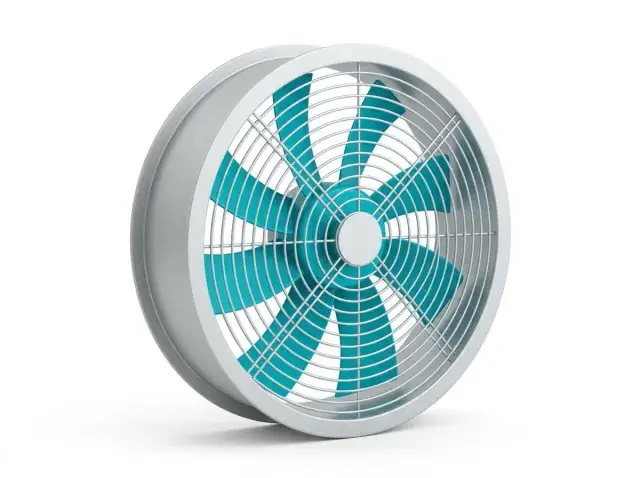
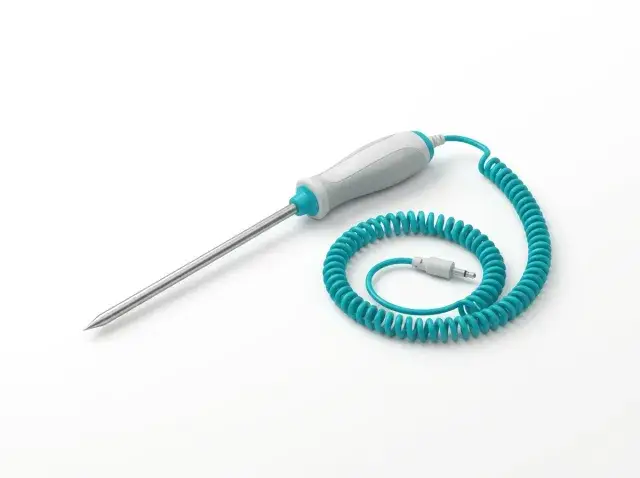
That is how a blast chiller works in a kitchen: load the trays, push the probe into the food and pick a programme on the touch screen. The BLCB range has pre-set programmes, or you can create your own.
How fast it goes depends on the load. The 90 minute rating on the BLCB5X1 is for 18 kg, so a heavier load will take longer. Keep door openings to a minimum during a cycle.
4. What is the primary reason for chilling food as quickly as possible?
The primary reason for chilling food as quickly as possible is to cut the time it spends warm enough for bacteria to grow, which GOV.UK puts at between 8°C and 63°C.
The law uses the same words as the search. Food that will be held or served chilled must be cooled “as quickly as possible” after cooking, to a temperature that poses no health risk.
GOV.UK gives the practical version. Hot food can be kept below 63°C for up to two hours. After that, cool it as quickly as possible to 8°C or below, or throw it away.
5. What are the six big benefits of blast chillers?
The six big benefits of blast chillers are safe food, quality, consistency, lower waste, a better workflow and the room to scale. Each comes from hot food getting cold quickly in its own cabinet.
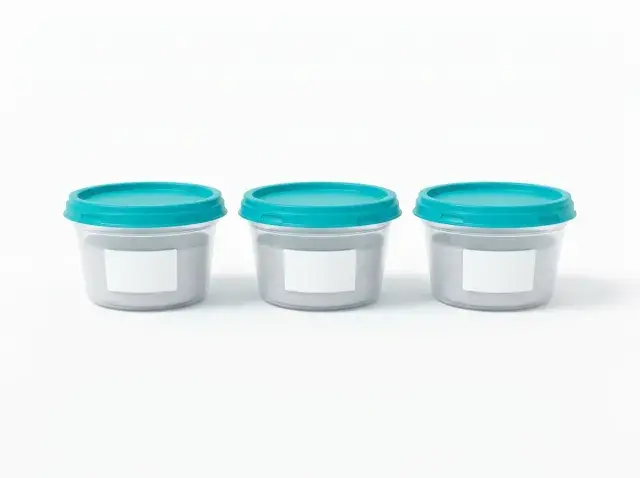
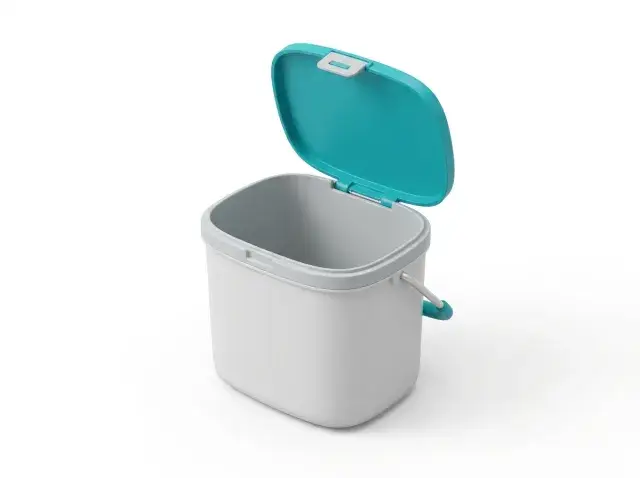
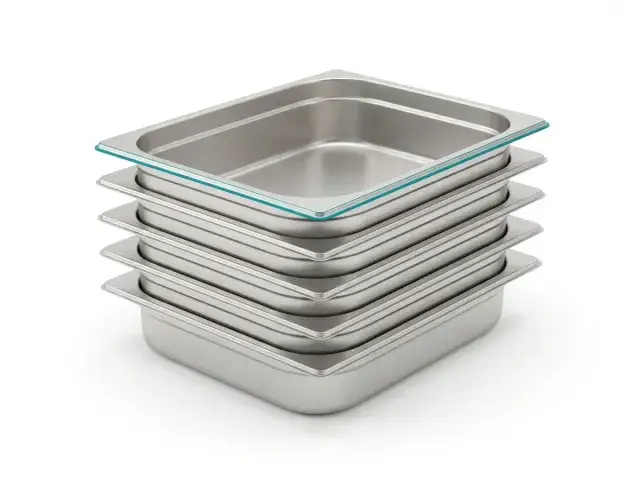
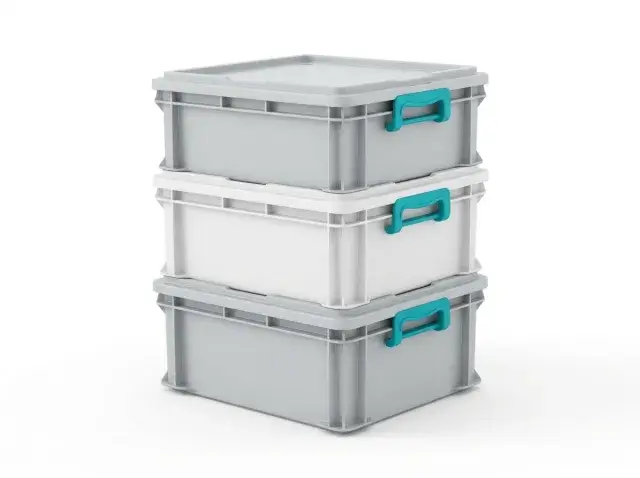
6. Blast chillers savings: what does one save, and what does it cost to run?
A blast chiller saves money by cutting the food you throw away, and the saving depends on how much you bin now. We will not invent a figure. Use your own numbers:
For scale only: WRAP’s 2013 overview of hospitality and food service waste (2011 data) put food waste at about £10,000 per outlet a year, with 21% of the sector’s food waste down to spoilage. The figures are dated and WRAP points to newer data we have not reviewed, so read them as context.
Running cost. The BLCB5X1 is rated at 720 W. Drawing that for the whole 90 minute cycle, an upper bound because a compressor cycles, is 0.72 kW × 1.5 h = 1.08 kWh. At an assumed 27p/kWh that is about 29p a cycle, or about £2.92 for ten. It is our arithmetic, not a Tefcold figure.
7. How much food does a blast chiller take per cycle?
A blast chiller takes between 12 kg and 40 kg of food per chill cycle in the Tefcold range we sell, depending on the model. Size on the weight you cook in one go. These are rated cycles for a stated load, not legal deadlines.
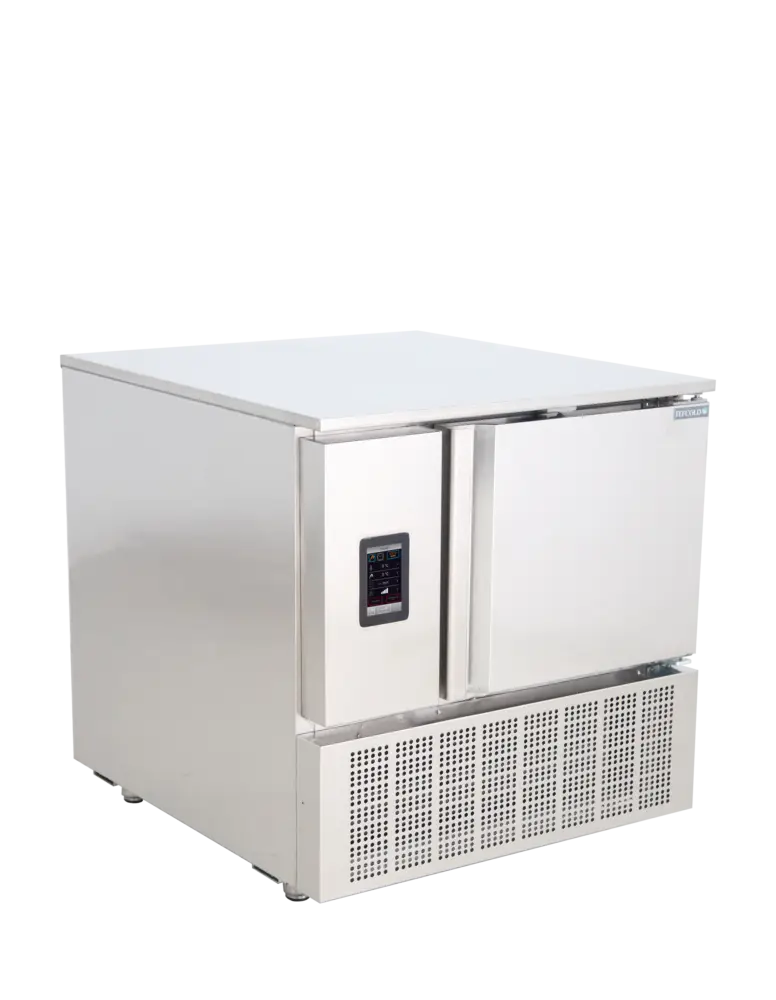
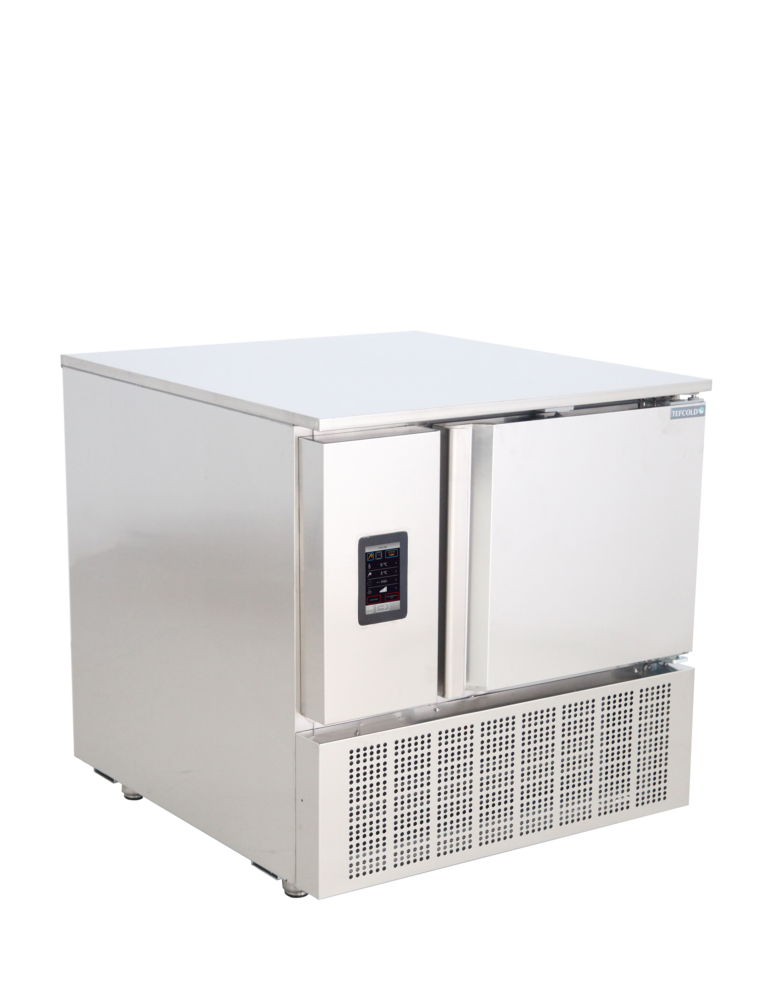
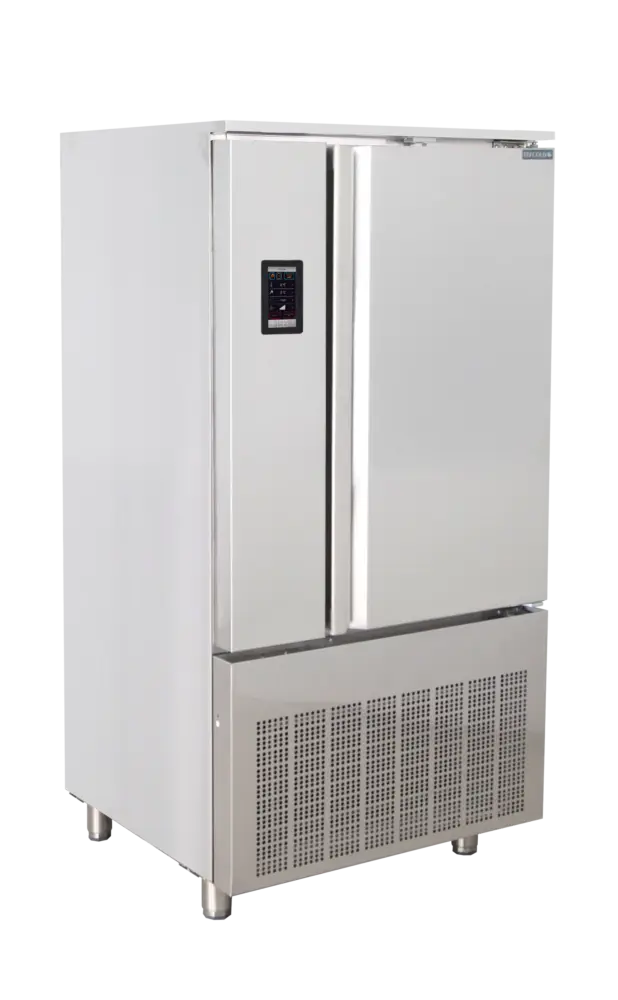
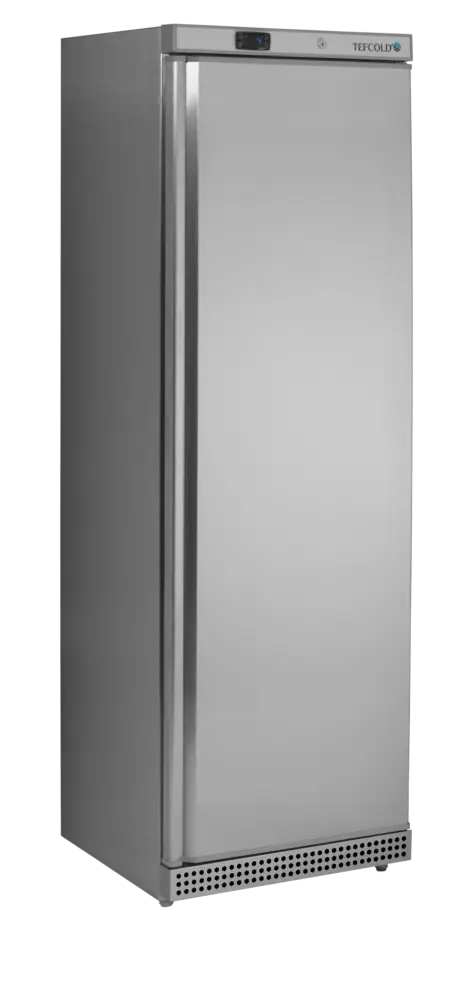
| Model | Trays | Chill, +70 to +3°C (90 min) | Freeze, +70 to −18°C (240 min) | Price (ex VAT) |
|---|---|---|---|---|
| 3 (BLC3, per manual) | 12 kg* | 8 kg* | £1,695 | |
| 5 x GN1/1 or 60 x 40 | 18 kg | 14 kg | £2,004 | |
| See product page | 40 kg | 28 kg | £2,418 |
All prices ex VAT. BLCB5X1 and BLCB10X1 figures are from Tefcold’s product text. *The BLCB3X1’s product text gives no kilograms. Its figures and three trays come from the BLC3 line in Tefcold’s 2019 BLC blast chiller manual, so check them against your model.
8. Do I legally need a blast chiller?
No. Nothing in UK law makes you buy one. The law requires that heat-treated food to be held chilled is cooled “as quickly as possible”. Chilled food must then be held at 8°C or below (England, Schedule 4; Wales, Schedule 4). Schedule 4 has no cooling time.
Those three numbers get mixed up. The 90 minutes is real advice: Bromley council tells businesses not to leave high-risk food cooling for more than 90 minutes before it goes into the fridge, and Blaby Borough Council says much the same. It is sensible to meet it, but it is guidance, not in the regulations or on GOV.UK.
What you must do is show your cooling is safe: a food safety management system based on HACCP, with records of checks and corrective action. Bromley lists alternatives to a machine: smaller portions, shallow containers and cold water. For many kitchens those are enough. A blast chiller suits batch cooks and caterers, where volume makes them slow.
9. What is a blast chiller not?
A blast chiller is not a place to store food. Tefcold’s manual says the chiller should be used for storage for short periods only, so move chilled product on to a storage fridge, tagged with its contents, the date chilled and its expiry.
It is not a storage freezer, even though the BLCB models run a freeze cycle (14 kg in 240 minutes on the BLCB5X1). It is not a cold room either, because warm food put into a walk-in raises its temperature. And it is no substitute for a probe and a record.
For what happens after the chill, see how to safely store your perishable food. If you freeze batches as well, read What Are Catering Freezers?. Unsure which size fits your batch? Call 01792 677169 or email hello@fridgesmart.co.uk.
Blast chilling is cooling hot cooked food to fridge temperature quickly, in a cabinet built for it. A fan drives cold air across the trays while a probe reads the core. The six big benefits are safe food, quality, consistency, less waste, a smoother workflow and room to scale. The primary reason for chilling food as quickly as possible is to cut the time it spends between 8°C and 63°C, where bacteria can grow. No law requires one: the rule is to cool food as quickly as possible, and the 90 minute figure is council guidance. Tefcold rates the BLCB5X1 at 18 kg from +70°C to +3°C in 90 minutes, and a cycle costs no more than about 29p at 27p/kWh. It is not for storage, so move chilled food on, tagged.
Frequently Asked Questions
▼
▼
▼
▼
▼
▼
▼
▼