Last reviewed: November 2026 · Lisa Craven, Managing Director, FridgeSmart
Yes, a display fridge is worth it if customers choose chilled food or drinks for themselves, because it shows the stock and keeps it at a legal temperature.
What it costs you is electricity: on Tefcold datasheet figures at 27p/kWh, from about £55 a year for a small countertop cooler to about £1,067 a year for an open-front multideck. We have found no reliable UK figure for how much a display fridge lifts sales, so judge it on what it does and what it costs to run.
- What it does: shows chilled stock to customers and holds it at 8°C or below, the legal limit for chilled food
- What it costs to run: about £55 per year (BC60 countertop) to £1,067 per year (GP10 open multideck) at 27p/kWh, on datasheet test figures
- Doors matter most: the same 472-litre multideck uses 10.83 kWh/24h with an open front and 3.25 kWh/24h with glass doors (Tefcold datasheets)
- Sales: we have found no reliable UK figure for sales uplift, so we do not quote one
- Setting: GOV.UK advises 5°C or below. A datasheet range such as +2/+10°C is what the controller can reach, not a food-safe setting
- Energy label: display cabinets use an A to G scale. Compare the letter only with other display cabinets, and read the kWh beside it
For café, deli, convenience store, pub and ice-cream parlour owners deciding whether a display fridge earns its place, and which kind to look at.
1. Are display fridges worth it?
For most businesses where the customer does the choosing, yes. Most people are very visual when it comes to food. They arrive with a favourite in mind and are swayed by what they can see, and a display fridge is the cabinet that does the showing.
It is not worth it if staff fetch everything and customers never see inside. A solid-door storage fridge does that job.
What a display fridge does for sales is harder to pin down than sales sheets suggest. We have not found a reliable UK figure for how much a display cabinet lifts sales, so we do not print one. Our guide Do Display Fridges Increase Sales? deals with the evidence in full.
2. What are the benefits of a display fridge?
A display fridge does three jobs at once. It shows the stock, it keeps chilled food legal all day, and it lights the shelves so the range can be read from across the shop.
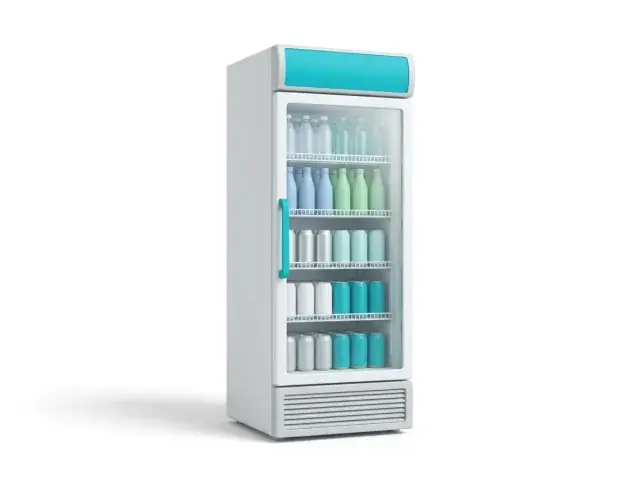
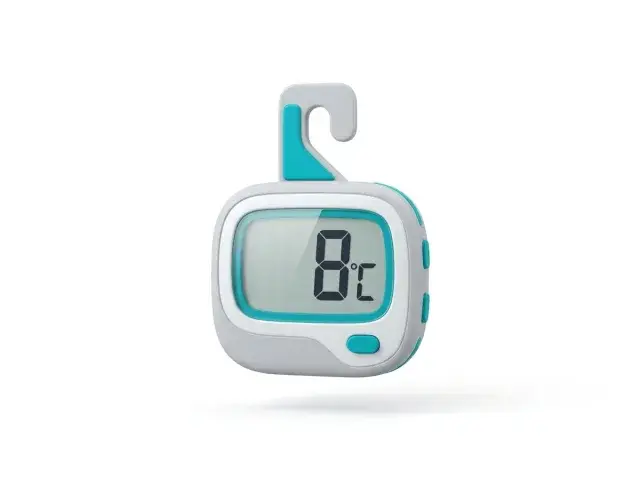
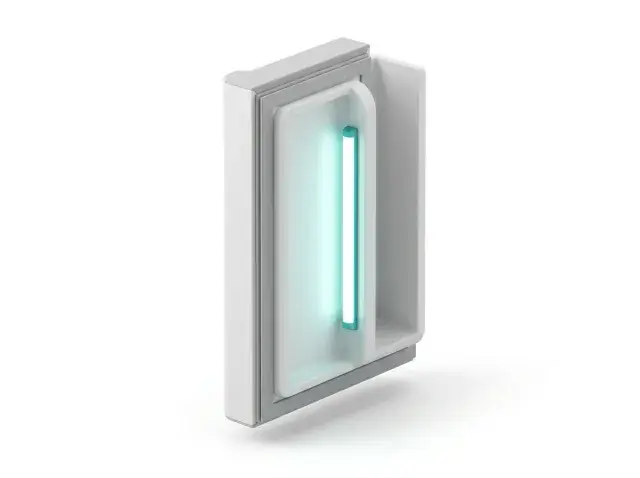
Features differ from cabinet to cabinet, so read the spec line. Our guide to the features of display fridges decodes each one, and the branding guide covers wraps and lit canopies.
3. How much does a display fridge cost to run?
On Tefcold datasheet figures, a display fridge costs from about £55 to about £1,067 a year in electricity at 27p/kWh, depending on its size and whether it has doors. The sum is the daily kWh × 365 × £0.27. For the Galaxy+ GP10FGD: 3.25 kWh × 365 = 1,186 kWh a year, × £0.27 = about £320 a year.
The 27p is a working assumption. The government’s average for non-domestic customers in Q2 2026 was 24.51p including CCL, but an average is not your contract, so swap in your own rate.
| Model | Type | Price (ex VAT) | Net litres | kWh/24h | kWh/year | Class | Per year at 27p |
|---|---|---|---|---|---|---|---|
| Countertop | £356 | 58 | 0.56 | 204 | C | £55 | |
| Back bar cooler | £559 | 182 | not listed | 416 | A | £112 | |
| Ice-cream display | £524 | 255 | 1.815 | 662 | D | £179 | |
| Glass-door upright | £452 | 347 | 2.2 | 803 | D | £217 | |
| Large upright | £1,229 | 1,079 | 2.81 | 1,024 | B | £276 | |
| Multideck, doors | £3,122 | 472 | 3.25 | 1,186 | B | £320 | |
| Serve-over | £1,366 | not listed | 4.09 | 1,494 | E | £403 | |
| Multideck, doors | £1,624 | 764 | 5.87 | 2,143 | B | £579 | |
| Cake display | £1,586 | not listed | 8.02 | 2,926 | D | £790 | |
| Multideck, open | £2,780 | 472 | 10.83 | 3,953 | D | £1,067 |
Figures are from Tefcold datasheets on tefcold.co.uk, read on 17 October 2026. They are test conditions, not your shop. Your room temperature, loading and door use all change the real figure, so use the kWh to compare cabinets, not to forecast a bill.
It matters because refrigeration takes a large share of a food shop’s electricity. A UK retail-refrigeration study by Tassou and colleagues at Brunel and Bristol (undated copy, around 2011) puts it at between 30% and 60% of the electricity used in food retail.
The class letter is not a bill either. Display cabinets carry an A to G label under Regulation (EU) 2019/2018, which has applied since 1 March 2021. Storage cabinets use a separate scale, so never compare letters across the two. Dealers must show the label online as well (GOV.UK guidance).
4. Open front or glass doors: which is cheaper to run?
Glass doors are far cheaper to run. Doors reduce the heat entering the cabinet while they are closed. Tefcold publishes both versions of the Galaxy+ multideck at the same size and temperature range, so the datasheets give a clean like-for-like comparison.
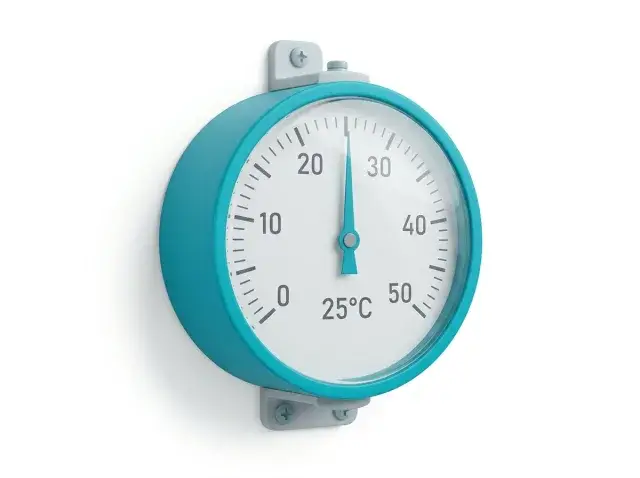
Both cabinets hold 472 litres net at −1/+5°C and were tested at +25°C and 60% humidity. The GP10FGD uses 2,767 kWh a year less than the GP10, which is about £747 a year at 27p/kWh.
One UK case points the same way. Dorset Council’s 2022 case study of Washingpool Farm Shop projected a 61% cut in refrigeration energy from replacing 20-year-old open-fronted fridges with door-fronted units. One old open fridge metered 571 kWh in a week. It was a projection, not a measured result.
An open front still has a case. Customers reach straight in, and no door swings into the aisle. Our energy-efficient display fridges guide works through the running costs in more detail.
5. Which display fridge suits your business?
Choose by what you sell. Bottles, packaged lunches, loose deli food and cakes each want a different layout. These are the four main shapes, with one Tefcold example of each. See the live price on each product page.
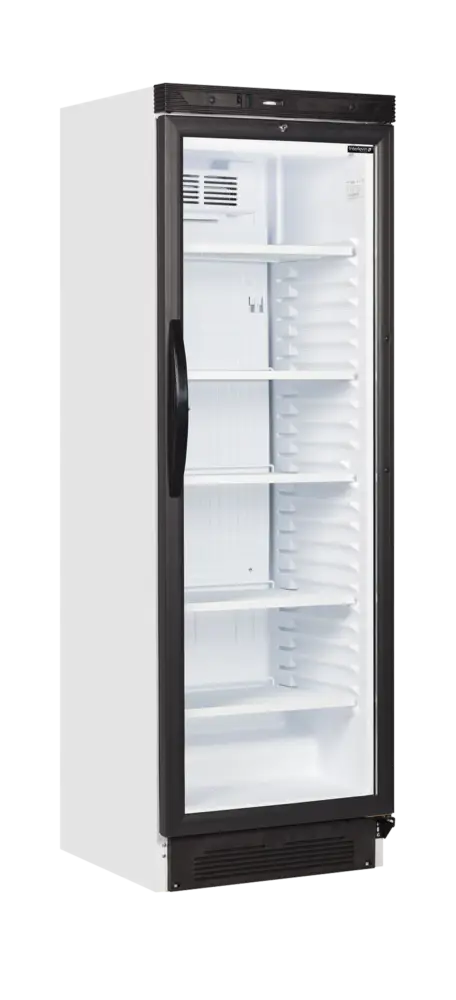
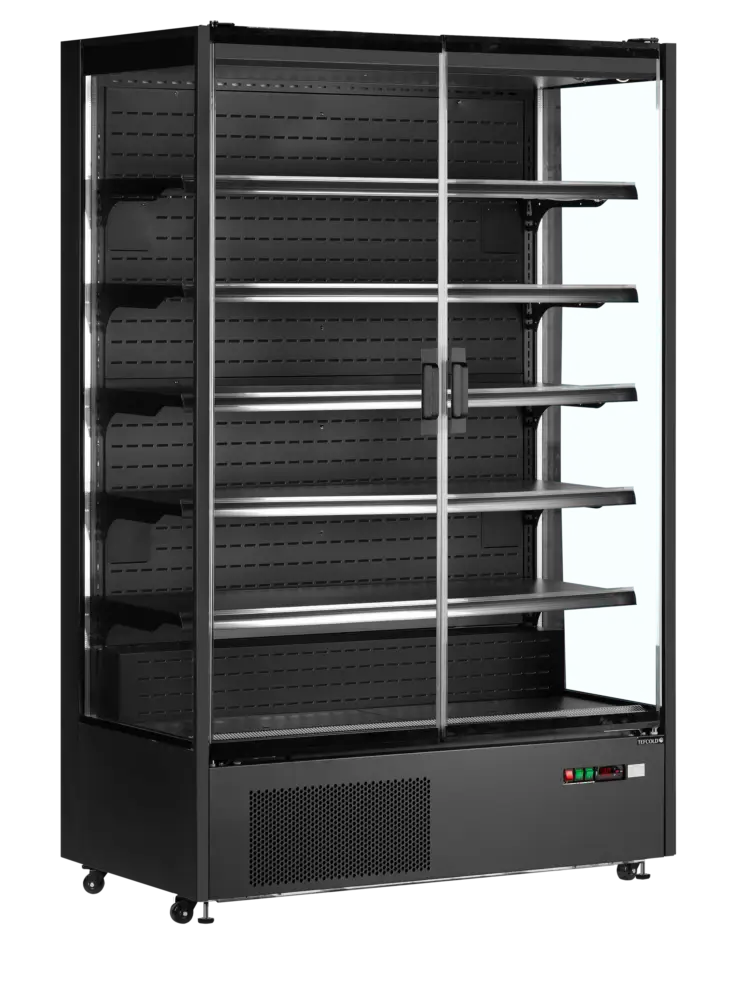
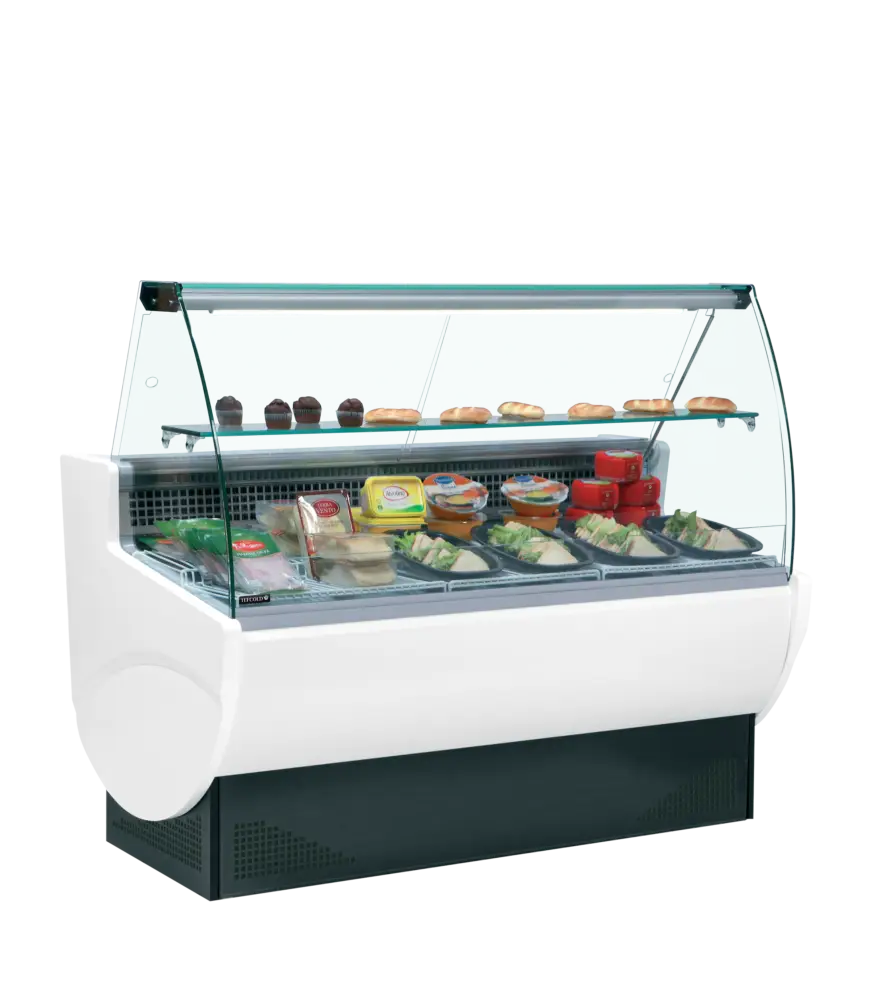
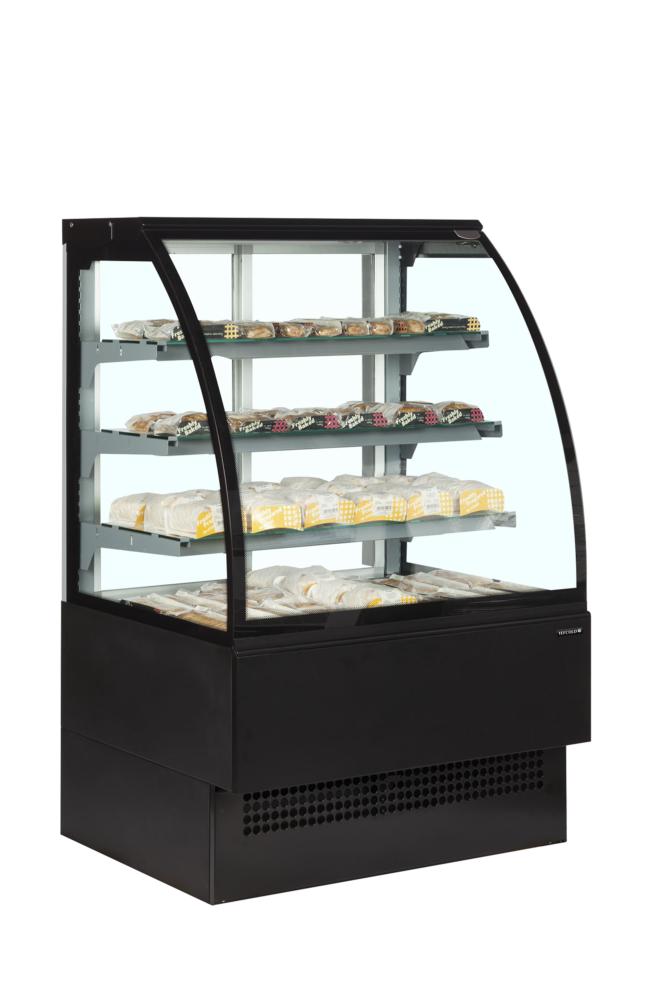
Drinks, wine and ice cream have their own specialist cabinets.
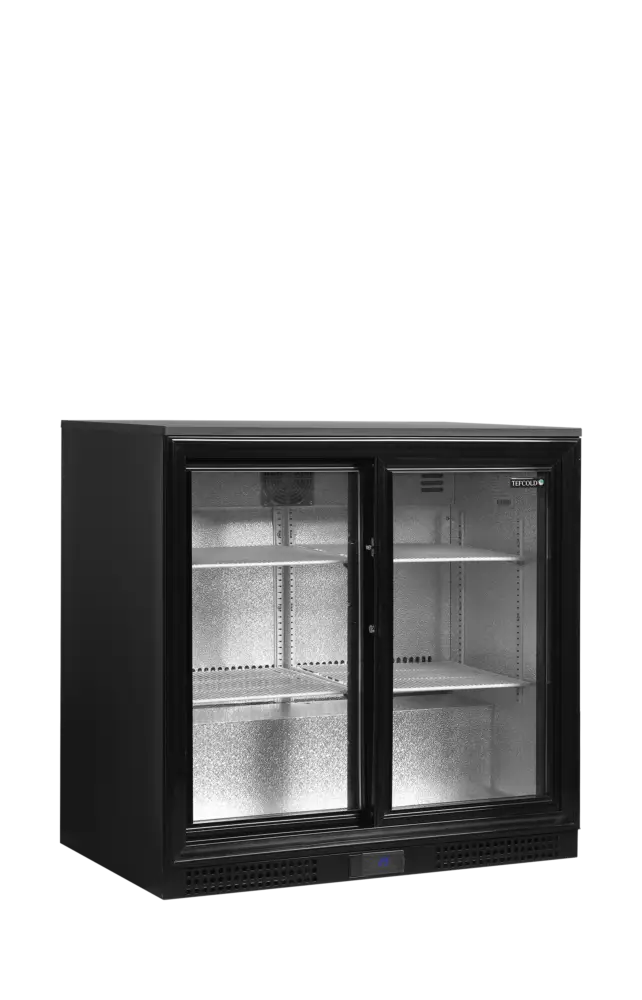
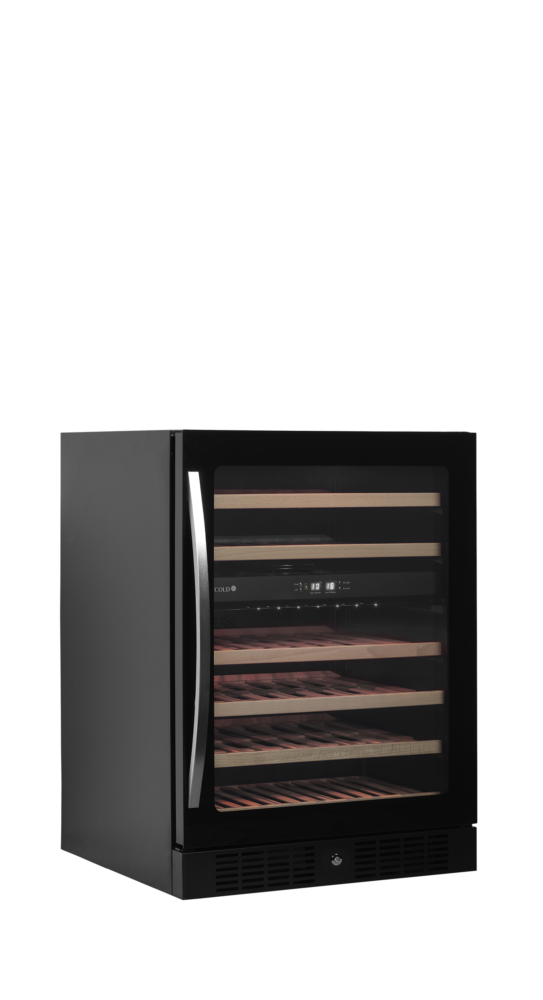
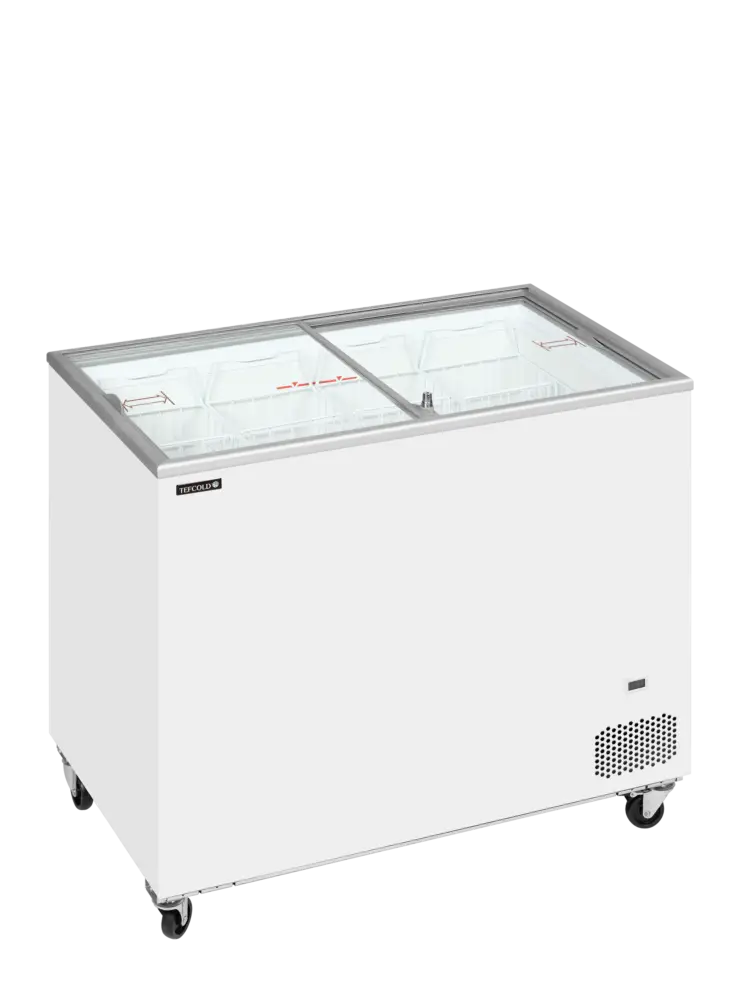
This page is the why. For the choosing, see five things to consider when buying a refrigerated display. For a shortlist, see the top five display fridges for small businesses. The shop-fit side of grab-and-go is in our convenience store refrigeration guide.
6. Is a countertop display fridge enough?
A countertop display fridge is enough if all you need to show is a small range of chilled drinks beside the till. It is the cheapest display fridge here to run.

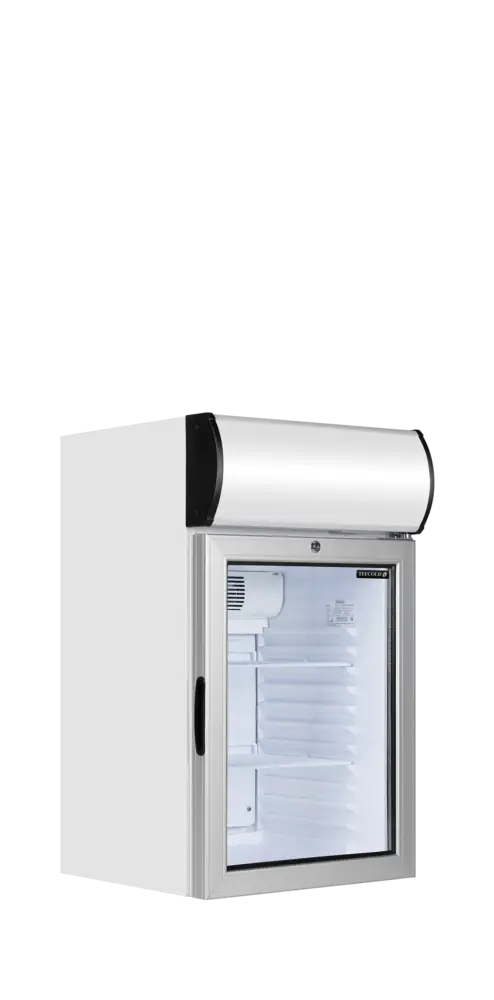
Tefcold describes the BC range as suited to soft drinks, beer and energy drinks. The BC60’s datasheet range is +2/+10°C, so if you put chilled food in one, set it to 5°C or below and check it. We list four models in our countertop display fridge range.
7. What temperature must a display fridge hold?
Chilled food must be held at 8°C or below. In England that is paragraph 2 of Schedule 4 to the Food Safety and Hygiene (England) Regulations 2013, and in Wales Schedule 4 to the Food Hygiene (Wales) Regulations 2006.
GOV.UK calls the limit a legal requirement in England, Wales and Northern Ireland and tells businesses to set the fridge to 5°C or below. Display adds one allowance. Paragraph 5 of the same Schedule gives a defence for chilled food on display for sale, not previously above 8°C, for a period of under four hours. Treat that as an emergency margin.
The range on a datasheet is the band the controller can reach, not a recommended setting. For several display cabinets the top of that band sits above the legal limit.
| Cabinet | Datasheet range | What it means |
|---|---|---|
|
Multidecks GP10, GP10FGD, PC1250B
|
−1 to +5°C | The coldest band of the display fridges here, topping out at 5°C |
|
Serve-over TAVIRA II 100, upright NC5000G
|
+2 to +8°C | The top of the band is the legal ceiling, so set it well below the top |
|
SC381, BC60, DB201S
|
+2 to +10°C | The top of the band is above the legal limit for chilled food |
|
Cake display EVO602
|
+1 to +10°C | Hold chilled cakes at 8°C or below, though the controller reaches +10°C |
|
Ice-cream display IC302SC
|
−24 to −14°C | A freezer. −18°C is the industry standard for frozen display, not a legal figure |
8. Where should a display fridge go, and will it fit?
Put it where customers already stand and look, then check the cabinet can get there.
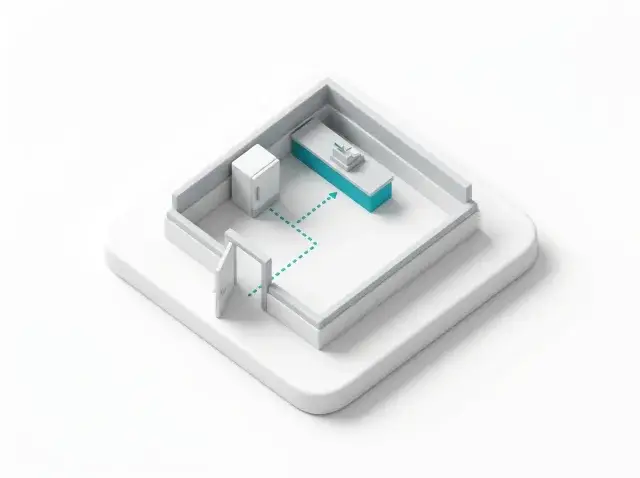


Position matters as much as the cabinet. If your artisan cordials sit in an awkward old fridge at the back, a slimline bottle unit placed prominently beside the door is worth trying. Our guide to merchandising ideas for display fridges covers how to lay out the shelves once it is in place.
A mobile display fridge can change position with the seasons. Mobile units are generally smaller and stand on castors. The NC5000G and PC1250B have castors and locking feet, the BTA76 can cooler has strong castors, and the IC302SC has castors with a brake. The SC381 has rollers at the rear only.
9. Which cooling type do you need, and what keeps it working?
A busy shop wants fan assisted or ventilated cooling. Tefcold describes three cooling types:
- 1Static. Not ideal for high usage.
- 2Fan assisted. Gives an even temperature and is used for one-door display coolers.
- 3Ventilated. Fast pull-down and suited to high usage, but it uses more energy and unwrapped food can dry out.
The refrigerants R290 and R600a are propane and isobutane. Neither is on the F-gas list in Annex I of the assimilated F-gas Regulation (EU) 517/2014.
A display fridge needs looking after. Retained Regulation (EC) 852/2004 expects food equipment to be kept in good repair, and Tefcold’s warranty says regular maintenance to the manufacturer’s specification must be followed.
FridgeSmart sells the cabinets online and does not repair, service or install them. For a fault, call a qualified refrigeration engineer. Spare parts can be ordered through us on 01792 677169 or hello@fridgesmart.co.uk.
Older, unreliable fridges can prove costly and disruptive. If you have the time, replace your fridge before it breaks.
A display fridge is worth it when customers choose chilled food or drinks for themselves. It shows the stock, lights it and holds it at 8°C or below, the legal limit; GOV.UK advises setting 5°C or below. What it costs is electricity: on Tefcold datasheet figures at 27p/kWh, from about £55 a year for a BC60 countertop cooler to about £1,067 a year for an open-front GP10 multideck. Doors make the biggest difference: the same 472-litre multideck uses 10.83 kWh/24h open and 3.25 kWh/24h with glass doors, about £747 a year apart. We have found no reliable UK figure for sales uplift, so we do not quote one. Choose the type by what you sell and measure the delivery route before you order.
Frequently Asked Questions
▼
▼
▼
▼
▼
▼