How to keep ice cream soft in your freezer without losing quality
- Lisa Craven
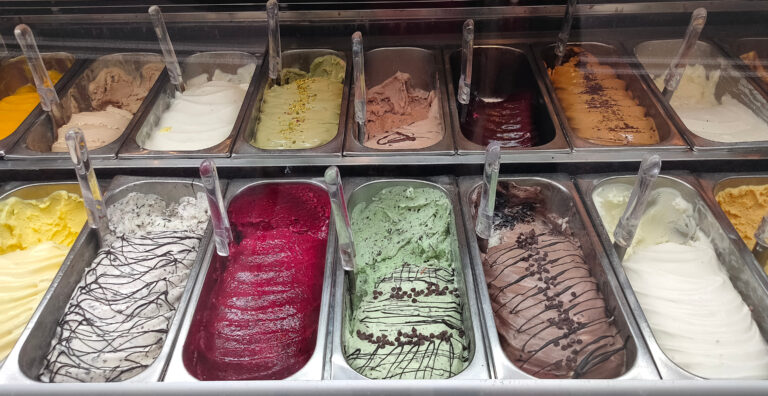
If you sell ice cream, you’ll know the balancing act all too well. Set the freezer too cold, and the ice cream turns rock-hard. Set it too warm and the ice cream’s texture, flavour and structure all go a bit melty.
At Fridgesmart, this is one of the most common questions we hear from ice cream parlours, cafés, dessert shops and farm shops. The good news? You can keep ice cream soft and scoopable without compromising its quality. It all comes down to what your ice cream freezer is doing, and that’s what this blog is all about.
It starts with the right temperature
Of course, the first thing you’ll want to check and potentially adjust is your ice cream freezer’s temperature.
For immediate service and scooping, most ice cream is easiest to scoop at around -12°C to -14°C. This keeps it firm enough to hold shape, but soft enough to scoop cleanly without excessive force.
Colder temperatures (around -18°C, usual freezer temperatures) are better for long-term storage. However, ice cream served directly from these conditions will be unnecessarily hard and slow to handle during busy periods.
So, it almost always makes the most sense to have two ice cream freezers. Use one of them for storage so you can store big ice cream batches in bulk. Then use the other one to display and serve your delicious products.
Consistency matters more than cold
Although the freezer’s temperature is the first thing you might think of when it comes to your ice cream’s quality, that’s actually not the main culprit. In fact, the single biggest cause of poor ice cream texture isn’t temperature, it’s temperature fluctuation.
When ice cream repeatedly warms and refreezes, it forms large ice crystals. Air also starts collapsing out of the mix. The more this happens, the more the texture suffers. Before long, the mouthfeel shifts from creamy to coarse, full of ice shards.
That isn’t what you want as a high-quality ice cream seller. This problem often occurs when freezer doors are opened too frequently or when the ice cream freezer is overloaded. You might also have an old unit that struggles to recover temperature quickly.
Use a freezer designed for ice cream
This makes a real difference to your ice cream, for both display and storage. Some freezers can negatively affect your ice cream. For example, standard chest freezers tend to run colder than needed, and could freeze ice cream solid if they aren’t carefully adjusted.
Ice cream freezers and ice cream display freezers, on the other hand, are specifically designed to maintain stable temperatures across the entire unit. They also avoid uneven or aggressive airflow, so you don’t get any over-frozen patches, and keep the ice cream evenly conditioned from top to bottom.
It’s still important to follow best practices
Even if you have the best ice cream freezer in the world, poor storage can still undo all your investment and hard work. Here are a few ice cream storage best practices to be mindful of:
- Don’t overfill open ice cream display freezers (because tubs sitting too high are exposed to warmer air)
- Avoid over-stacking in your storage freezer (which blocks airflow)
- Use tight-fitting lids (to prevent moisture loss)
- Rotate stock so older tubs are used first
Note that exposed ice cream can dry out over a few days, leading to freezer burn and flavour loss, even when the temperature is correct. It’s always best to cover your ice cream whenever possible to avoid this.
Don’t soften ice cream at room temperature
It’s tempting during busy periods, but letting ice cream sit out to soften is one of the fastest ways to damage it. That’s because when ice cream warms unevenly, the fats begin to melt. When the ice cream refreezes, it forms ice crystals, giving it a grainy, gritty texture and the flavour dulls over time.
Of course, you still need the ice cream to be soft enough to scoop. The best solution is to plan ahead and have the ice cream ready in a display freezer. If the ice cream is significantly difficult to scoop, your freezer may be slightly too cold. Try adjusting the settings or switching to a dedicated ice cream freezer.
The Fridgesmart approach to your ice cream freezer
If you’re struggling with ice cream that’s too hard, too soft or inconsistent throughout the day, we’re always happy to help. A quick, no-obligation conversation about your setup, space and service style can make a huge difference.
Whether you run an ice cream parlour, café, dessert bar or farm shop, you can optimise your service with an ice cream freezer carefully chosen for your business.
At Fridgesmart, we help ice cream businesses choose freezers that maintain stable temperatures to provide excellent presentation and ensure consistent scooping for all your ice cream.
So, if you’re ready to upgrade to a new ice cream freezer, get in touch with us now by calling 01792 677169. Let’s work together to make sure your ice cream stays perfectly smooth and ready to sell.