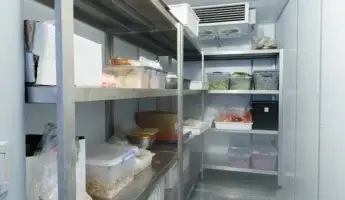
How do commercial fridges keep food safe during peak service?
- Fridgesmart
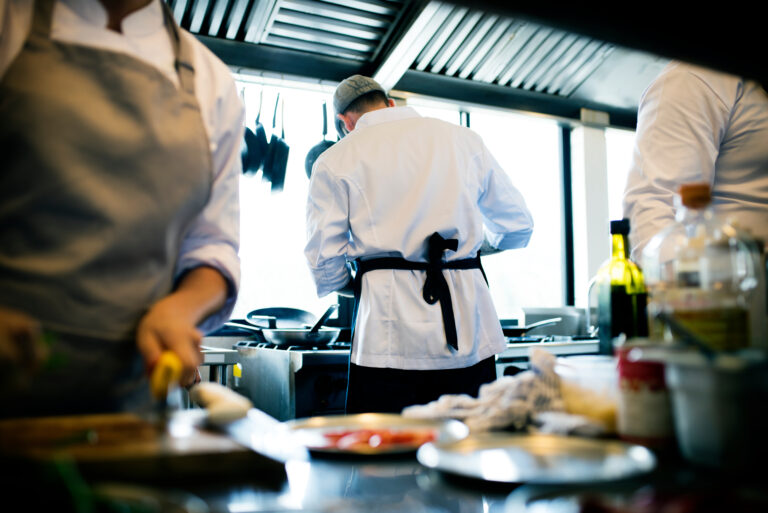
It’s 7:15 pm. The orders are arriving faster than your team can call them out. One person opens the fridge for burger toppings, another returns for sauce and the temperature display rises by a degree, then another.
Is your fridge failing, or is it simply struggling to respond to a busy service?
A commercial fridge slows the growth of harmful bacteria by keeping food cold. During a rush, every open door, crowded shelf and warm kitchen environment adds to the heat it must remove. Understanding how it works helps you protect your ingredients and ready-to-sell items without disrupting service. That’s what this blog is about.
How does a commercial fridge maintain a safe temperature?
A commercial fridge transfers heat from inside the cabinet to the surrounding room. The unit’s insulation and door seals keep the heat out and the cold in, while the cooling system keeps the inside at the required temperature. Some models use static cooling, where cold air circulates naturally, while ventilated models use fans to distribute cooled air more evenly around the products. When the thermostat sensor detects a rise, the cooling system runs until the cabinet returns to its operating range.
Unlike a standard domestic fridge, commercial refrigeration is designed for heavier use. In a busy kitchen, staff may open the door repeatedly, load new stock and work in a warmer environment. Commercial units are built to recover from these temperature rises and maintain their operating range under the conditions stated by the manufacturer.
However, peak demand can still add heat faster than even a commercial unit can remove it.
Before peak service
Before the rush, confirm that the fridge has reached its normal temperature, record the result according to your food safety procedure and investigate any unusual reading.
As a general rule, you should operate commercial fridges at 5°C or below to help keep chilled food at a safe temperature. It’s a legal requirement to keep chilled food at 8°C or below in England, Wales and Northern Ireland. The FSA recommends setting fridges at 5°C or below to help make sure chilled food remains within that limit.
Load it with food that’s already chilled, then allow the temperature to settle before your customers arrive. A holding fridge isn’t designed to cool a large pan of hot food quickly. If you prepare cooked food for later service, use a safe cooling process. A blast chiller may suit your production volume.
Correctly load your commercial fridge
Cold air needs a clear path through the cabinet. So, keep stock away from fans, air outlets and return vents, and don’t load products above any marked line. Follow the spacing and loading instructions for your model.
Keep products covered and separate raw food from ready-to-eat food. Where they share a cabinet, store raw meat and poultry below ready-to-eat items.
This helps your fridge cool stock effectively, makes products easier to find and reduces the risk of cross-contamination. You can have the best commercial fridge in the world, but even that will fail to keep your food safe without the right care.
During the rush
It’s not just how often your team opens the door that matters, but how long it stays open. The aim is to minimise the total amount of time the door is open.
The most effective way to stay on top of this is to organise your fridge. Give each product a labelled position and keep frequently used ingredients within easy reach. Replenish them with chilled stock in controlled batches during quieter periods.
Monitor commercial fridge temperatures during service
Your commercial fridge’s temperature display reports the temperature at its sensor. However, that isn’t necessarily the same as the temperature of the food itself, which changes more slowly than the air. So a change on the display doesn’t necessarily mean the food temperature has changed by the same amount.
Don’t ignore a rise, but don’t respond by changing the thermostat every few minutes either. Follow your food safety procedures, record the result and take action when required. Your method may combine the display with a separate thermometer, data logger or clean, disinfected probe.
After peak service
Once demand slows, keep the door closed and give the fridge time to recover. If the temperature doesn’t return to its normal range within the expected recovery period, take the corrective action set out in your procedures. This may mean moving affected food to another working refrigeration unit and assessing its time and temperature history. Don’t judge food safety solely by its appearance or smell.
If your fridge regularly takes too long to cool back down, something may be wrong. Check for damaged door seals, a dirty condenser, poor ventilation or fan problems. The unit may also no longer suit the volume or pattern of your current demand.
Choose a commercial fridge for your busiest service
When comparing commercial storage fridges, check the temperature range, climate class, cooling system, shelf layout and door configuration against your workflow.
Fridgesmart helps cafés, takeaways, restaurants, shops and other food businesses choose refrigeration for the way they operate. Speak to our team by calling 01792 677169 if you need a fridge that can protect your stock through your busiest hours, not just when the door’s closed.